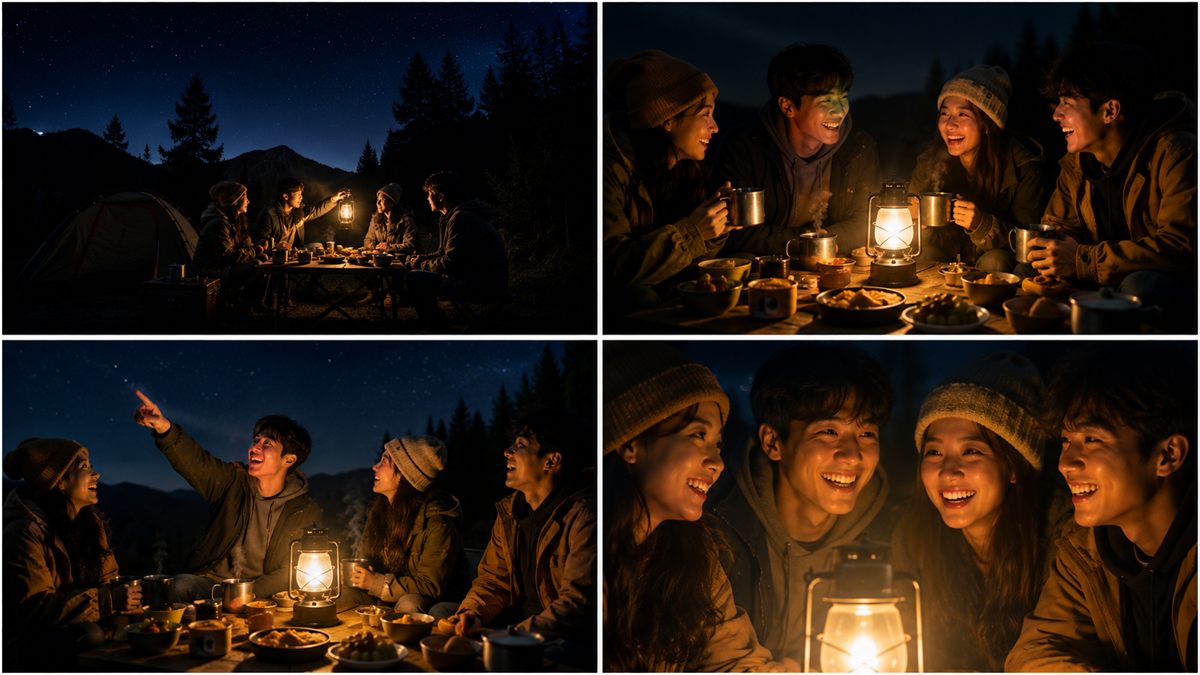
Short video and YouTube Shorts creators
Arrange a short idea into four visible beats before generating motion. Best for Shorts, social openings, and compact narrative concepts.
Choose a workflow for short-form creation or advertising. Both paths use the same reviewable sequence: input, four-panel storyboard, visual check, then video draft.
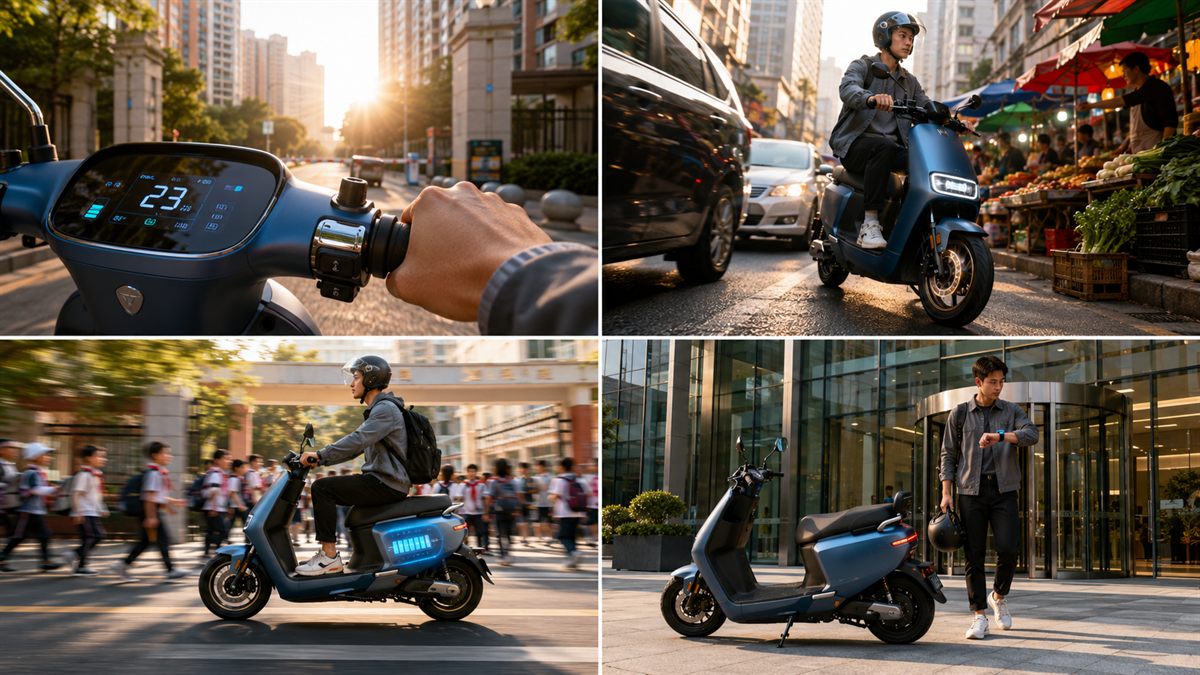
Product movement storyboard
A fictional electric-scooter concept organized into point-of-view, street action, side profile, and product arrival beats.
Each page owns a different task and shows the relevant input, review step, output, and current limits.
Arrange a short idea into four visible beats before generating motion. Best for Shorts, social openings, and compact narrative concepts.

Translate an ad script or product benefit into a visible shot sequence before a formal shoot, pitch, or motion draft.
The same four-stage workflow supports both creator and marketing tasks without pretending to be a full editing suite.
Enter a story, advertising script, scene idea, or short prompt in the generator.
ChatGPT Image 2 turns the input into four 16:9 landscape or 9:16 portrait storyboard frames.
Inspect composition, shot order, subject continuity, and the overall visual direction.
Choose from the current Seedance 2.0 model, duration, resolution, and audio options to create a draft.
Use a four-panel board when the order and visual direction need to be checked before motion.
These are generated product examples from the existing Storyboard2Video gallery. They demonstrate visible outputs and are not presented as customer success stories.
Product movement storyboard
A fictional electric-scooter concept organized into point-of-view, street action, side profile, and product arrival beats.
Short narrative storyboard
A short narrative concept that moves from wide setting to group interaction, reveal, and close ending.
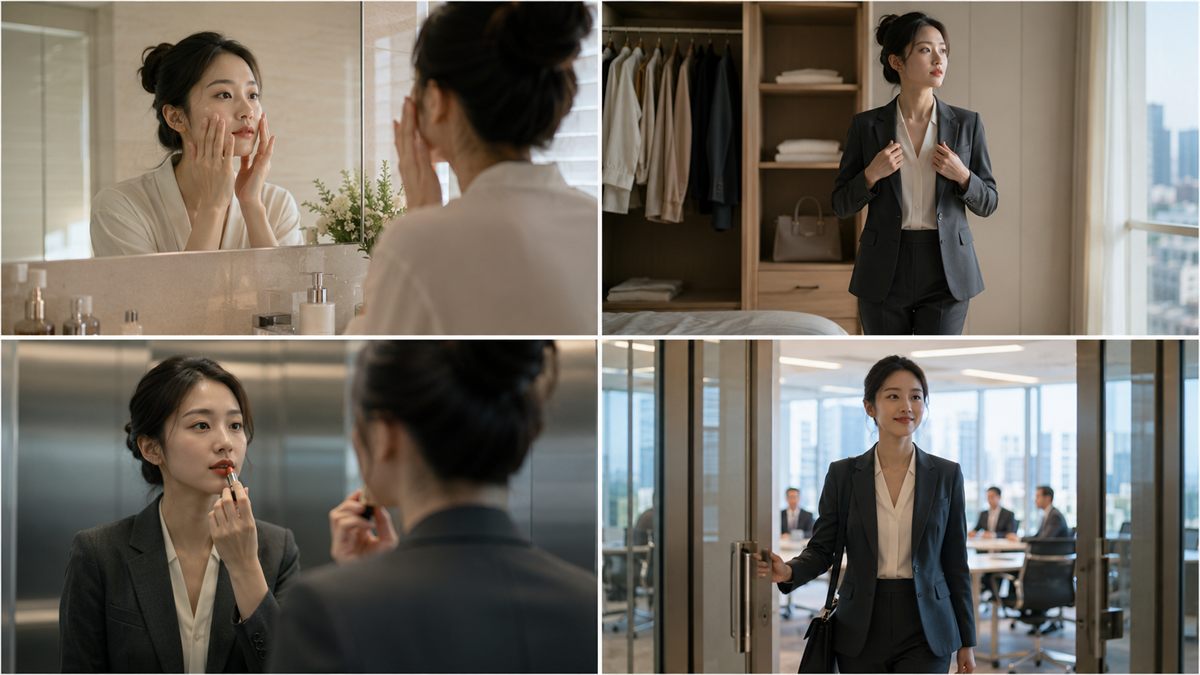
Lifestyle transition storyboard
A routine-to-work sequence used to check continuity between preparation, detail, and destination shots.
Product advertising storyboard
A fictional tea product concept that tests ingredient detail, liquid texture, product handling, and the final packshot.
The product keeps the workflow narrow enough to review each stage.
The pages describe current product scope so the next step is clear before credits are used.
Enter a story, script, or scene idea in the real generator. The estimated credit cost appears before generation starts.